


Gianluca Tognon is an Italian nutrition coach, speaker, entrepreneur and associate professor at the University of Gothenburg. He started his career as a biologist and spent 15 years working both in Italy and then in Sweden. He has been involved in several EU research projects and has extensively worked and published on the association between diet, longevity and cardiovascular risk across the lifespan, also studying potential interactions between diet and genes. His work about the Mediterranean diet in Sweden has been cited by many newspapers worldwide including the Washington Post and The Telegraph among others. As a speaker, he has been invited by Harvard University and the Italian multi-national food company Barilla.


Alcoholic drinks can be both good and bad for you Alcoholic drinks consist mainly of water and mostly ethyl alcohol (also called ethanol). A very small proportion is represented by other substances, naturally present or added, such as certain aromatic compounds, pigmented substances, bioactive compounds, vitamins, etc. Ethanol, a substance that is not essential to
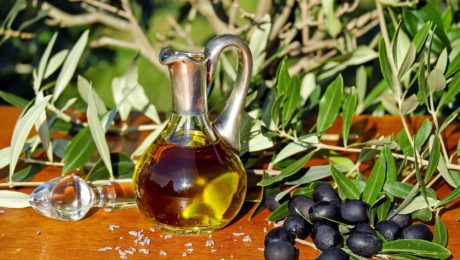
Olive oil is considered one of the healthiest oils we consume. The reason might be due to its high oleic acid and squalene content In this post, I would like to describe a few characteristics that make olive oil one of the best condiments you can use in your everyday cooking practice. Oleic acid is the
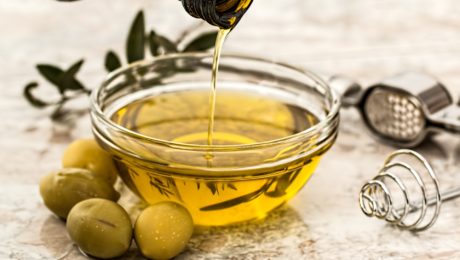
Olive oil: the king of the Mediterranean cuisine Where does olive oil come from? The origins of olive cultivation coincide with those of the Mediterranean civilisation. The first olive groves were cultivated in Syria and Palestine and, around 1000 BC, it spread to Italy, where optimal conditions (i.e. a mild climate, the presence of water and

Be aware of how you prepare your Mediterranean food! Food preparation can influence its nutritional value. Cutting, cooking and other ways in which food is prepared are important factors influencing the release of beneficial substances from food. There are also studies showing an association between the way food is prepared and the effects on health

Let’s complete the list of the most common Mediterranean foods! In my previous post, we have dug into the most typical Mediterranean vegetables: tomatoes, onion, garlic and legumes, of course. Here I would like to complete the description of the most typical Mediterranean foods, and talk about fruit, grains, herbs and much more! Grains Grains

Which are the typical Mediterranean vegetables? According to the Mediterranean tradition, a typical meal always contains foods of vegetable origin. Besides being used as a side dish, vegetables can also be used in many preparations, from pasta to soups, as well as in the preparation of fish or meat dishes. Fruit, on the other hand, is

Many still wonder what the Mediterranean diet actually is The term “Mediterranean diet” was coined in the 1950s by the American researcher Ancel Keys, the first epidemiologist to recognise the health benefits of this style of eating. It is believed that the traditional Mediterranean diet was consumed in the 1950s and 1960s in Greece and

How the Mediterranean diet became so popular worldwide The lands surrounding the Mediterranean Sea have been the scene of many cultures and civilizations and the Mediterranean diet is one of their most important achievements. Agriculture began with the cultivation of cereals and legumes in a region that nowadays includes the eastern Mediterranean countries (Lebanon, Israel,

Sooner or later in our lives, we all experience this: stress causes people to consume high sugar and high-calorie foods rather than healthy alternatives. This happens because of the way these foods taste as well the way they make you feel when they are metabolized and it is often done as a form of self-medication

As I previously wrote in my blog, you might have heard about selenium many times as an ingredient in antioxidant supplements, but you probably don’t know that this mineral has an enormous importance for the correct functioning of the thyroid gland as well. This mineral is incorporated into at least 25 selenoproteins[1] involved in different